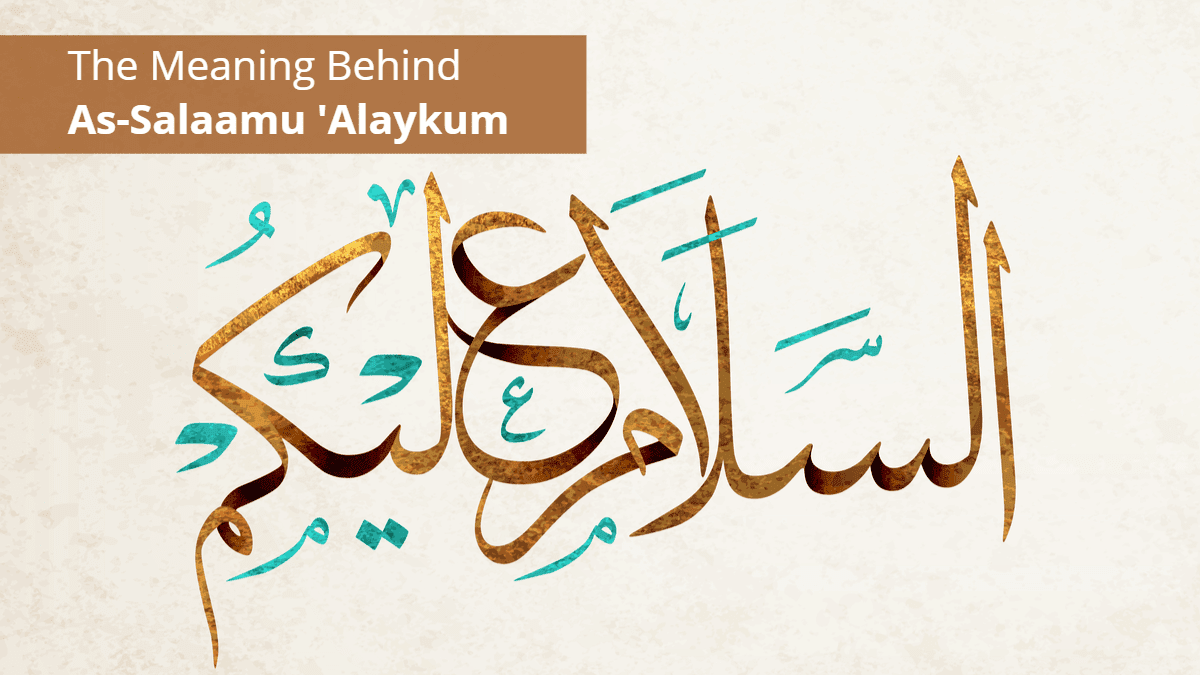
Salam Arabic meaning goes far deeper than a simple hello or casual greeting between two people. This powerful word carries centuries of history, spiritual weight, and divine connection inside just five letters. Every time a Muslim says salam, they are offering a sincere prayer of peace to another person. It is one of the most beautiful and meaningful expressions in the entire Arabic language.
Most people hear salam every day but never stop to think about the secret it holds within itself. This single word connects directly to the name of Allah, the teachings of the Prophet, and the description of Paradise in the Quran. It is not just language it is a living tradition practiced by over 1.8 billion Muslims worldwide. Once you understand its true meaning, you will never say or hear salam the same way again.
Quick Facts: Salam Arabic Meaning
| Fact | Details |
| Word | سَلَام (Salam) |
| Root Letters | س-ل-م (S-L-M) |
| Primary Meaning | Peace, Safety, Wholeness |
| Language Origin | Classical Arabic |
| Part of Speech | Masculine Noun (Masdar) |
| English Translation | Peace |
| Urdu Translation | سلامتی (Salamati) |
| Quranic Appearances | 40+ times in various forms |
| Name of Allah | Al-Salam (السَّلَام) — The Source of Peace |
| Full Greeting Form | As-salamu alaykum wa rahmatullahi wa barakatuh |
| Greeting Response | Wa alaykum as-salam wa rahmatullahi wa barakatuh |
| Prophetic Importance | Spreading salam is a confirmed Sunnah |
| Paradise Connection | Quran names Paradise Dar-us-Salam (Home of Peace) |
| Related Words | Islam, Muslim, Saleem, Tasleem |
| Cultural Reach | Used by 1.8 billion Muslims across 180+ countries |
| Reward for Saying | Each level of response earns increasing Islamic reward |
| First Quranic Salam | Surah Ya-Sin 36:58 — Allah’s direct salam to believers |
| Who Must Reply | Every Muslim who hears salam is obligated to respond |
| Best Time to Say | Upon entering a home, meeting someone, leaving a gathering |
| Common Mistake | Treating it as casual “hello” rather than a spiritual prayer |
The Linguistic Root and Grammatical Usage
The word salam comes from the Arabic root س-ل-م (S-L-M). This root is one of the most productive roots in the Arabic language. It gives birth to words related to peace, safety, submission, and wholeness. The root appears in many everyday Arabic words and Islamic terms.
Grammatically, salam is a masculine noun in Arabic. It can be used as a subject, object, or part of a larger phrase. In classical Arabic grammar, it falls under the category of masdar (verbal noun), which means it carries action within it not just a state of being, but the act of offering peace.
| Arabic Word | Transliteration | English Meaning |
| سَلَام | Salam | Peace / Greeting |
| سَلِيم | Saleem | Safe / Sound |
| سَلَّمَ | Sallama | To submit / To greet |
| مُسْلِم | Muslim | One who submits |
| إِسْلَام | Islam | Submission / Peace |
All these words share the same root. This shows how deeply connected peace in Arabic is to the entire Islamic worldview. The linguistic meaning of salam is not just about absence of war it means complete wellness, harmony, and inner safety.
Examples of “Salam” in Arabic Sentences
Learning how to use salam in daily life is essential for anyone studying Arabic or connecting with Muslim communities.
Here are practical examples:
- السَّلَامُ عَلَيْكُمْ — As-salamu alaykum — “Peace be upon you” (standard Islamic greeting)
- عَلَيْكُمُ السَّلَام — Wa alaykum as-salam — “And upon you be peace” (the response)
- أُلْقِي عَلَيْهِ السَّلَام — He was greeted with salam — used in storytelling
- السَّلَامُ مِنْ أَسْمَاءِ اللهِ — As-Salam is one of the names of Allah
These examples show proper salam etiquette in both formal and casual Arabic conversation. Saying salam in Arabic is not just polite it is spiritually meaningful and culturally significant.
Cultural and Quranic Significance of “Salam”
Salam holds a special place in both Islamic tradition and Arabic culture. It is one of the 99 names of Allah Al-Salam (السَّلَام) meaning “The Source of Peace.” This alone tells you how sacred this word is in Islam.
In the Quran, salam appears dozens of times. It is used as a greeting from Allah to His servants, as a description of Paradise, and as the greeting of angels.
“Salamun Qawlan min Rabbir Raheem” — “Peace, a word from a Merciful Lord.” (Surah Ya-Sin, 36:58)
This Quranic reference for salam shows that peace is not just a human concept it is a divine gift. Assalamu alaikum in Quran is presented as the greeting of the people of Paradise, which elevates its spiritual status enormously.
Salam in Hadith is equally important. The Prophet Muhammad (PBUH) said: “Spread salam among yourselves.” This means that saying salam is a religious duty and a social responsibility. The benefits of saying salam include strengthening brotherhood, spreading love, and earning rewards.
Common Misunderstandings and Mistakes
Many learners make simple but important mistakes when using salam.
Here are the most common ones:
Mistake 1 — Treating it as just “hello” Salam is not simply the Arabic word for hello. It carries spiritual meaning, blessing, and intention. When you say salam, you are invoking peace upon another person. It is a prayer, not just a phrase.
Mistake 2 — Mispronouncing the greeting Many non-native speakers say “salamalaikum” as one rushed word. The correct way is: As-salamu alaykum with clear separation and proper emphasis on each word.
Mistake 3 — Not responding properly When someone greets you with salam, Islamic etiquette for salam requires that you respond with “Wa alaykum as-salam” or better, “Wa alaykum as-salam wa rahmatullahi wa barakatuh.” Ignoring the greeting is considered disrespectful in Muslim culture.
Mistake 4 — Confusing salam with salat New learners sometimes confuse salam (peace/greeting) with salat (prayer). These are completely different words with different meanings and uses.
Why You Should Learn “Salam”
Learning salam opens many doors. Whether you want to connect with Arabic-speaking friends, travel to Muslim countries, study the Quran, or simply expand your vocabulary — this one word teaches you so much.
Here are the key benefits of learning salam:
- It helps you understand Islamic vocabulary at a deeper level
- It builds cultural respect and awareness of Arabic culture and traditions
- It improves your ability to understand the Quran in Arabic
- It strengthens relationships with Muslim friends and colleagues
- It connects you to a greeting tradition over 1,400 years old
Salam in Islamic tradition is not optional it is encouraged for every Muslim in every interaction. And for non-Muslims, using salam shows genuine respect and cultural understanding.
Salam Arabic Meaning in Urdu and English
The salam Arabic meaning in Urdu is سلامتی (Salamati) or امن (Aman) both meaning peace, safety, and well-being. In English, salam translates directly to “peace”, though the full emotional and spiritual weight of the Arabic word is difficult to capture in translation.
| Language | Word | Meaning |
| Arabic | سَلَام (Salam) | Peace, Safety, Wellness |
| Urdu | سلامتی (Salamati) | Peace, Good health |
| English | Peace | Absence of conflict |
| Persian | سلام (Salaam) | Hello / Peace |
The salam translation in English loses some depth because English does not have a single word that captures spiritual peace, physical safety, social harmony, and divine blessing all at once. That is what makes Arabic vocabulary salam so uniquely powerful.
As Salaam Alaikum in Arabic
As-Salamu Alaykum (السَّلَامُ عَلَيْكُمْ) is the full, formal Islamic greeting. It means “Peace be upon you.” This phrase is the standard greeting between Muslims worldwide, from Indonesia to Morocco.
The greeting has three levels of response that increase in blessing:
- Wa alaykum as-salam — “And upon you peace” (minimum response)
- Wa alaykum as-salam wa rahmatullah — adds “and the mercy of Allah”
- Wa alaykum as-salam wa rahmatullahi wa barakatuh — adds “and His blessings” (best response)
The meaning of assalamu alaikum goes beyond courtesy. It is a dua (supplication) — you are literally asking Allah to grant peace to the person you are greeting. This makes greeting with salam one of the most beautiful acts in daily Muslim life.
Salam Meaning in Islam
In Islam, salam has layers of meaning that go far beyond language. It represents:
- Submission to Allah — because the root S-L-M connects to Islam itself
- Divine attribute — Al-Salam is one of Allah’s beautiful names
- Prophetic practice — spreading salam is a Sunnah of the Prophet
- Description of Paradise — the Quran calls Paradise “Dar-us-Salam” (the Home of Peace)
The spiritual significance of salam means that every time a Muslim says this word, they are connecting to something far greater than conversation. They are expressing faith, hope, and brotherhood.
Full Salam in Arabic
The full salam in Arabic its most complete form is:
بِسْمِ اللهِ، السَّلَامُ عَلَيْكُمْ وَرَحْمَةُ اللهِ وَبَرَكَاتُهُ
“Bismillah, As-salamu alaykum wa rahmatullahi wa barakatuh”
“In the name of Allah, peace be upon you, and the mercy of Allah, and His blessings.”
This is the most complete, most rewarding way to greet a fellow Muslim. It is encouraged in Islamic etiquette and is considered the best possible form of Muslim greeting.
Salam Arabic Meaning at pureprayerz.com
Pureprayerz.com is your trusted source for learning the deep and authentic salam Arabic meaning in a simple, clear, and spiritually enriching way. Whether you are a beginner exploring Arabic greetings or someone seeking a stronger connection with Islamic vocabulary, this platform offers accurate and easy-to-understand explanations rooted in the Quran and Hadith.
At pureprayerz.com, every word is explained with cultural respect and religious accuracy, making it the perfect place to understand not just salam but the full beauty of Islamic language and tradition. Visit today and discover how one powerful Arabic word salam carries the meaning of peace, blessing, and divine grace all at once.
Frequently Asked Questions
What is Salam Arabic Meaning?
Salam Arabic Meaning is a greeting that literally means “peace.” It’s used to wish safety, respect, and blessings to others in daily life and Islamic culture.
How do you use Salam Arabic Meaning in conversation?
You can say Salam Arabic Meaning as a greeting like “Assalamu Alaikum” to show respect and spread peace when meeting someone.
Why is Salam Arabic Meaning important in Islam?
Salam Arabic Meaning represents peace, kindness, and good intentions. Saying it strengthens bonds and fulfills a key Islamic etiquette.
What does Salam Arabic Meaning teach us spiritually?
Salam Arabic Meaning reminds us to live peacefully, respect others, and share blessings, reflecting harmony in daily interactions.
Can Salam Arabic Meaning be used outside religious contexts?
Yes, Salam Arabic Meaning is not limited to religion. It’s commonly used in Arabic culture as a polite, respectful greeting in any setting.
Conclusion
The Salam Arabic Meaning goes far beyond a simple hello. It carries a deep message of peace, respect, and kindness that resonates in every interaction. Saying it creates a sense of harmony and shows care for others. In Islamic culture, it’s more than words it’s a gesture of goodwill. Every time you greet someone with Salam, you are sharing blessings silently. It’s a small act that can make a big difference in relationships and daily life.
Understanding the secret behind Salam Arabic Meaning helps us appreciate its true value. It reminds us to act with compassion, spread positivity, and honor traditions. Whether in family, community, or public spaces, Salam connects hearts. Using it consciously strengthens bonds and promotes peace everywhere. This simple greeting carries spiritual power and cultural richness. Embrace it fully, and let Salam inspire kindness in every word you say.